Mesothelioma Risks among Automotive and Mechanic Workers
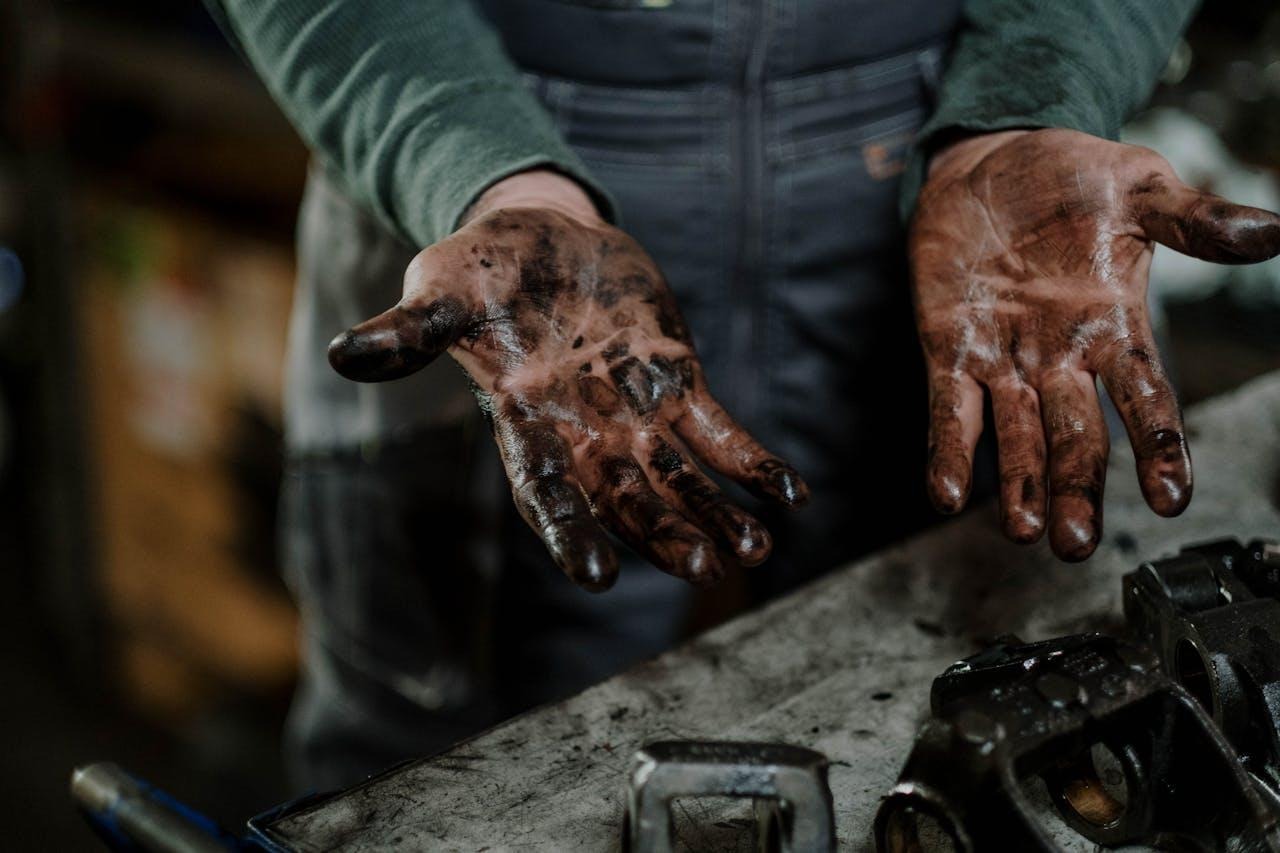
For decades, getting under the hood of a car meant more than just grease stains and scraped knuckles. It often meant exposure to dangerous materials that were invisible to the naked eye.
While the dangers of sharp tools or heavy machinery are obvious, the microscopic fibers of asbestos lurking in old brake pads and clutches were a silent threat.
Brake Dust and Clutch Debris as Silent Dangers
You might remember blowing out brake drums with compressed air, creating a cloud of dust that hung in the shop air. That dust wasn’t just dirt; in many cases, it contained millions of asbestos fibers.
When mechanics sanded down brake pads or replaced worn clutches, they released these fibers directly into their breathing zone. Because asbestos is incredibly heat-resistant, it was the perfect material for high-friction parts like brakes and clutches.
Unfortunately, as these parts wore down during normal vehicle operation, the asbestos inside broke down into dust. This debris accumulated in brake drums and clutch housings, waiting to be disturbed during routine maintenance.
Why Symptoms Often Appear Decades Later
One of the most frightening aspects of asbestos-related diseases is the latency period. You don’t get sick immediately after breathing in the dust. The fibers embed themselves in the lining of the lungs or abdomen, causing cellular damage that happens slowly over time.
It is common for health issues related to mesothelioma automotive workers face to remain dormant for anywhere from 20 to 50 years after the initial exposure. This long gap often leads people to overlook their past work history as a potential cause for current respiratory issues.
It’s why discussing your employment history with a doctor is so important if you develop breathing problems later in life.
Protective Gear Standards and Why They Matter Now
Today, we have strict regulations and advanced safety equipment designed to minimize risks. Wet cleaning methods, HEPA vacuums, and specialized respirators are standard practice in modern shops when dealing with potentially hazardous materials.
However, recognizing that these standards weren’t always in place helps us understand the severity of past exposures. If you worked in an era where safety gear meant safety glasses and steel-toed boots, your risk profile is different from a technician starting today.
Resources like ELSM Law exist to help individuals who believe their health has been compromised by unsafe working conditions in the past.
Mechanics and the “Take-Home” Exposure
The danger didn’t always stay at the shop. Asbestos dust clings stubbornly to fabric, hair, and skin. Mechanics who went home in their work clothes often unknowingly carried these dangerous fibers with them.
When a spouse shook out dusty coveralls before washing them, or when children hugged their parent after a long day at work, they were potentially exposed to the same carcinogens found in the garage. This secondary exposure has led to diagnoses in family members who never set foot in an auto repair shop themselves.
The Specific Auto Parts Known to Have Contained Asbestos
While brakes and clutches are the most notorious offenders, they weren’t the only car parts that utilized asbestos. Gaskets used in engines and exhaust systems frequently contained the mineral to withstand high temperatures.
Hood liners, intended to protect the car’s paint from engine heat, were also commonly made with asbestos materials. Even body fillers and sealants used in collision repair could contain asbestos.
Knowing which parts were likely to be hazardous helps paint a clearer picture of potential past exposure, especially for those who specialized in specific types of repair work like engine rebuilds or bodywork.