Durable Products, Longer Lifecycles, And Why Repair Culture Matters
Fast replacement once looked like progress. A new model arrived, people upgraded, and the old device drifted into a drawer like a forgotten tax document with a charging port. That cycle now feels less impressive. More consumers question waste, short lifespans, and products that fail too soon. Repair culture has grown from a niche habit into a broader mindset because durable engineering offers something people increasingly value: control, savings, and less nonsense. When products last longer and repairs stay possible, everyone deals with less frustration and fewer landfill contributions with serial numbers.
Why Durability Matters Again
A durable product (such as ZPAPM72) saves more than money. It saves time, attention, and energy. It reduces the hassle of replacing items that should have stayed useful longer. It also builds trust between brands and buyers.
People notice when a product survives years of real use. They notice when parts stay available. They notice when common fixes do not require wizardry, special tools, and emotional support. These details shape reputation in a way flashy launch claims never quite manage.
In other words, a long lifespan has become a selling point because most people have already owned enough disappointing junk to recognize the alternative.
Repair Creates A Different Relationship With Ownership
When people can repair a product, they often value it more. They treat it as something worth keeping, not something designed for early exile. That shift changes consumer habits in useful ways.
Repair culture also teaches practical awareness. Users start to understand wear points, materials, assembly choices, and what separates thoughtful design from cheap shortcuts. They become more selective buyers. Brands that rely on planned fragility should find that slightly alarming.
This mindset does not require everyone to become a technician. It simply asks for products that respect ownership instead of punishing it.
Good Design Supports A Longer Life
A durable product does not happen by accident. It usually reflects design choices that support real-world use. Strong materials help, but so do logical assemblies, standard fasteners, replaceable parts, and clear maintenance access.
A product can look premium and still fail early if the structure makes no sense. On the other hand, a simpler item with smart design can outlast trendier rivals by years. That is why durable engineering deserves more praise. It often hides under the surface while flashy features take the spotlight.
Consumers benefit most when brands design for the second and third year, not just the first week.
Sustainability Needs More Than Recycling
Many companies love to talk about sustainability. Fewer love to design products that actually stay useful, like Balkan Trailer. Recycling matters, but it should not act as the first answer to premature failure.
The greener choice often starts earlier. Make the product last. Make the battery replaceable when possible. Offer spare parts. Support repair guides. Avoid brittle materials in stress zones. Use construction that does not fight every basic service step.
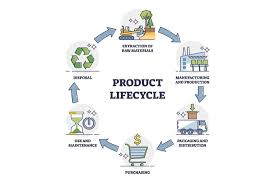
A longer lifecycle reduces waste at the source. That approach usually beats elegant slogans printed on a box that no longer contains a working device six months later.
Consumers Have Started To Catch On
More buyers now look for reviews that discuss longevity, serviceability, and repair access. They ask whether a product can handle normal wear. They notice if a common failure ruins the whole item. They compare brands based on lifespan, not just launch-day polish.
This shift helps serious makers. It rewards those who invest in durable engineering, clear support, and parts access. It also exposes brands that confuse style with substance.
Consumers may not always use the phrase durable engineering, but they absolutely understand the experience of something that keeps working versus something that dramatically gives up after a minor inconvenience.
Repair Culture Builds Skills And Confidence
Repair culture offers another benefit that rarely gets enough attention: it builds confidence. When people learn to replace a part, tighten a loose element, clean internal components, or diagnose a basic problem, they stop feeling helpless around everyday products.
That confidence can spread. Someone fixes headphones, then a lamp, then a keyboard, then maybe a household appliance. Small repairs teach larger lessons about materials, systems, and waste. They also make people less tolerant of products designed like sealed mysteries with decorative screws and bad intentions.
The result is not just savings. It is a healthier relationship with stuff.
Brands Should Treat Repair As A Feature
For many companies, repair still looks like an afterthought. That feels shortsighted. Clear service paths, parts availability, and durable construction should count as product features, not secret trivia for dedicated fans.
These traits also improve brand loyalty. People remember the companies that support long-term ownership. They recommend products that survive and stay fixable. They come back to brands that respect their money and time.
In a crowded market, repair support can create the kind of trust that no ad campaign can fake for long.
Final Thoughts
Repair culture matters because it pushes product design back toward common sense. It rewards durability, respects ownership, and reduces waste in practical ways. It also reminds consumers that a good product should not act disposable just because a newer model exists.
Longer lifecycles do not sound flashy, but they solve real problems. People want products that last, brands that support repairs, and designs that do not collapse under ordinary use. That is not nostalgia. That is a smarter standard. And the more consumers demand it, the more the market will have to meet it with products built to stay useful instead of merely looking fresh for one season.