Drop-on-Demand Inkjet for Packaging: Business Growth Strategies
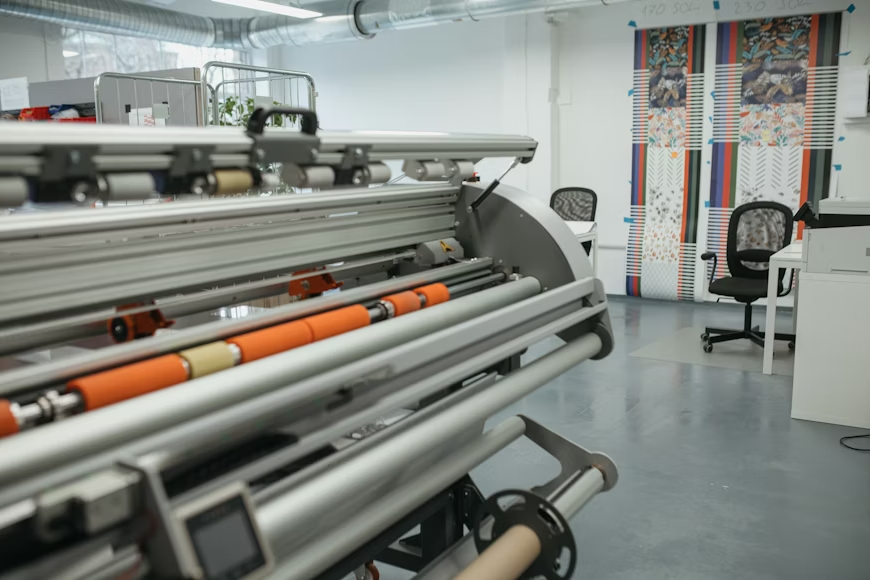
Thinking about growing a packaging business? Here’s the print market you should be looking at.
Drop-on-demand inkjet printing technology is revolutionising packaging businesses — and those who adapt to it first are outpacing their competitors rapidly.
Why should you care?
Drop-on-demand printing tech already has a 58.4% market share of all digital printing in packaging markets as of 2024 — and the total market size is only increasing.
The issue?
Most packaging businesses are not capitalising on it.
In this handy guide:
- What Is Drop-on-Demand Inkjet for Packaging?
- Why It’s a Serious Business Growth Driver
- 4 Growth Strategies to Use Right Now
- Mistakes That Slow Growth Down
What Is Drop-on-Demand Inkjet for Packaging?
Let’s get something straight: before you can build a business growth strategy around drop-on-demand printing, you need to understand how drop-on-demand printing works. Unlike old-school continuous inkjet systems that blast out sheets of ink until a droplet passes the detector, drop-on-demand systems fire only the ink droplets that are needed. Less waste. Sharper output. And way more precision over print results.
Packaging businesses can take advantage of those benefits.
Drop-on-demand printing lets you apply high-resolution print jobs directly onto cartons, flexible packaging, labels, and even corrugated materials — but without incurring the upfront plate setup costs that traditional printing processes require. Doing away with printing plates entirely opens up short-run and variable packaging jobs that would otherwise be cost-prohibitive.
Customers get their packaging quicker and cheaper. You get more flexibility in the kinds of jobs you can accept.
Why Drop-on-Demand Inkjet Is a Business Growth Driver
Accelerating your packaging business doesn’t always require shooting for the stars. Sometimes you just need the right tool.
Drop-on-demand inkjet printing is that tool.
Consider this: the demand for short-run, on-demand packaging jobs simply can’t be met with analogue printing tech. Everyone from ecommerce brands to beverage companies are looking for fast, affordable ways to print variable packaging at scale. That means personalised packaging. Unique promotional items. Package drops with seasonal variations. Market research predicts the global digital printing packaging market will reach USD 70.3 billion by 2034 at a CAGR of 8.5% from 2025 — and drop-on-demand inkjet is going to be at the centre of it all.
We’re not talking about a niche market here. Drop-on-demand printing for packaging is a fundamental shift in the industry.
It’s a business growth driver for three simple reasons:
- Print runs no longer need to cover the cost of plate-making. Drop-on-demand means more profitable short and medium-length runs.
- Selling variable data printing services opens up lucrative markets (pharma, logistics)
- Fast turnaround is an unbeatable competitive advantage
4 Growth Strategies for Drop-on-Demand Inkjet Packaging Businesses
Specialise in Short-Run Packaging for Ecommerce Brands
Firstly, let’s address the obvious. The rise of ecommerce is a tidal wave of short-run packaging jobs. Product launches, flash promotions, limited-run offers — these are opportunities that digital printers are perfectly placed to capture.
Drop-on-demand inkjet printers are no exception.
Positioning your packaging business as the best print partner for ecommerce brands and DtC names is one of the most straightforward entry points into the drop-on-demand market. Niching down against print houses and hiring competitively enough you can quickly become known as ‘the’ printer for small-run packaging jobs. And when you build a reputation that strong, customers will come to you.
Build a Variable Data Printing Service
Secondly: variable data printing services are huge right now.
Drop-on-demand inkjet printers are uniquely suited for printing variable data. Whether that’s batch codes, serial numbers, QR codes, personalisation text, or even regulatory information printed on every single package — drop-on-demand printers have you covered.
Three of the biggest industries printing variable data on packaging right now:
- Pharmaceuticals (regulatory information)
- Food & Beverage (allergens, region-specific labelling)
- Logistics and fulfilment companies (tracking codes)
Identify which industry servicing you’re best placed to target, then double down and build a Variable Data Printing service around it.
Lead With Sustainability
Humans have become exponentially more conscious of sustainable packaging.
A recent Mintel survey found that 70% of consumers would pay more for sustainable packaging than they currently do. Package printing isn’t immune to that demand. Drop-on-demand helps significantly lowers make-ready scrap and ink waste. Plus there are new eco-friendly and water-based ink options being developed for the industry all the time.
Use that to your advantage.
Advertising your drop-on-demand packaging services as the eco-friendly alternative to plates is a massive USP to have over traditional packaging businesses. Make sustainability your lead marketer and back it up.
Win Customers With Fast Turnaround Times
If you want new customers, give them a reason to choose you over your competition.
Traditional packaging printing setups often require weeks of production time just to prep for a print run. Plate creation, proofing, print tests — it all adds up. Drop-on-demand kills these timelines. Build your brand around that.
Prominently display your turnaround times in your marketing. Offer discounted rates for customers that can commit to your ‘fast lane’ delivery windows. Provide multiple service tiers so customers can pick how fast they want their job completed at the price they’re willing to pay. When your brand is known for tight turnarounds, customers come back — time and time again.
Mistakes That Can Slow Drop-on-Demand Business Growth
Learning what you should do is only half the battle. Here are four surefire mistakes that hold drop-on-demand businesses back:
- Marketing themselves purely on price. Discounting print jobs against traditional offset printing won’t ever be profitable for drop-on-demand businesses. Your competitive advantage is speed and flexibility — sell that.
- Not utilising substrate versatility. One of the advantages of modernised inkjet printers is the types of materials they can print on. If you aren’t pushing the limits on this, you’re leaving money on the table.
- Neglecting operator training. Like with any highly technical equipment, printing results only ever are only as good as the people using it. Make sure you’ve got your operators trained up and your printers consistently calibrated.
Wrap Up
Drop-on-demand inkjet printing presents one of the biggest business opportunities for packaging printers right now.
Market growth is booming, demand from customers is high — and the businesses that are going to grow the fastest are those using drop-on-demand tech as part of their core service offering. Let’s recap those growth strategies:
- Short-run packaging for ecommerce drops
- Variable data printing services
- Lead with sustainability
- Faster turnaround equals more customers
Pick one. Master it. Then start looking for your next growth strategy.