Common Tap Water Issues in the US: Causes and Solutions
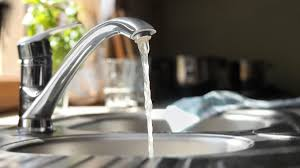
Many American property owners believe that whatever pours out of their faucets must be sparkling clean. After all, the U.S. boasts some of the safest public drinking water systems on the planet. But here’s the plot twist: local hiccups can sabotage water quality long before a single drop makes it to your glass.
Navigating the maze of tap water troubles is the first step to safeguarding your home and loved ones. This guide exposes what’s really going on beneath the surface – where water contamination comes from, and which stealthy pollutants deserve your attention.
Why is American Tap Water Vulnerable?
Water doesn’t roll out of the treatment plant, whistle a happy tune, and land in your glass without picking up some baggage along the way. The chief suspect? Infrastructure that’s almost old enough to vote. Across the country, cities and towns are still trusting their water to pipework installed before color TV was invented. As those pipes get cranky with age, they can slip nasty substances straight into your home’s supply.
Out in rural and suburban territory, agriculture enters the scene. Heavy rains can rinse fertilizer, barnyard byproducts, and pesticides off fields and into rivers and underground reservoirs. If a local water plant can’t keep up, these uninvited chemicals might join you for dinner – right from your own tap.
In the city, industry gets top billing. Factories and chemical plants occasionally give the local environment unwanted “gifts” – toxic leaks that invade the soil and poison water sources. When these pollutants worm their way into the water table, property owners end up playing defense just to secure safe water.
Identifying Common Water Contaminants
Understanding how water goes south is the key to knowing what’s lurking in your plumbing. A select cast of contaminants makes repeat appearances in water test results nationwide.
Lead from Degrading Pipes
If you live in an older house, you may be starring in a classic episode of “Attack of the Lead Pipes.” Before newer rules set them straight, builders loved using lead pipes and solder. These aging relics can drop lead into your drinking water – especially when water rests in those lines too long – posing health risks that are way scarier than they sound.
Chlorine and Its Byproducts
Cities add chlorine to keep germs at bay – a great idea, except for the faint taste of swimming pool and the medicinal aroma. Chlorine does slay bacteria, but it can also react with organic matter in water, producing byproducts that might just be the unwanted party guests of your drinking experience.
PFAS or Forever Chemicals
PFAS (that’s per- and polyfluoroalkyl substances for those keeping score at home) are man-made chemicals with serious commitment issues – they just won’t break up with the environment. Used everywhere from nonstick pans to firefighting foam, they’re popping up in more municipal water supplies by the day and have been linked to a laundry list of long-term health woes.
Hard Water Minerals
Wouldn’t you know it: sometimes, water’s biggest crimes are more annoyance than actual threat. Calcium and magnesium – the dynamic duo behind hard water – won’t hurt you, but they delight in turning your showerhead into a mineral sculpture. Over time, hard water can ruin your appliances, gum up your plumbing, and make cleaning up feel like scrubbing Mount Everest.
Securing Clean Water for Your Property
Taking control of your home’s water quality is easier than you think. Step one: get curious when you see milky tap water. Invest in a home water testing kit or hand a sample over to a certified lab. Once you know what’s hitching a ride in your water, you can pick the right superhero filtration system – anything from sleek under-sink reverse osmosis units to whole-house water softeners worthy of a trophy. The payoff? Crystal-clear, safe, and tasty water, on tap whenever you need it.