How Hardware-as-a-Service Ends IT Upgrade Uncertainty
Introduction
Unexpected IT expenses tend to show up at the worst possible time. A server fails, laptops slow to a crawl, or critical systems suddenly stop working, forcing businesses to scramble for quick fixes. These moments are not just inconvenient, they disrupt productivity and put pressure on already tight budgets.
Many companies still rely on outdated hardware until it breaks, which creates a cycle of reactive spending and operational delays. Over time, this approach becomes more expensive and harder to manage.
Hardware-as-a-Service (HaaS) offers a more stable way forward. Instead of dealing with surprise upgrades and emergency replacements, businesses can rely on a predictable, managed approach that keeps technology current and operations running smoothly.
Key Takeaways
- Hardware-as-a-Service replaces large, unpredictable expenses with consistent monthly costs.
- Ongoing lifecycle management ensures devices are replaced before they fail.
- Modern hardware improves overall cybersecurity and reduces system vulnerabilities.
- Partnering with a managed provider allows businesses to focus on operations instead of IT issues.
The Hidden Costs of Aging IT Infrastructure
Holding onto aging hardware may seem like a cost-saving move, but it often leads to bigger issues over time. Older devices slow down, struggle with newer applications, and become more prone to failure.
Even small delays can add up. When employees deal with lagging systems or frequent crashes, productivity drops. Over the course of a year, those lost minutes turn into significant operational inefficiencies.
There is also the added burden of managing outdated equipment. Tracking warranties, sourcing parts, and troubleshooting recurring issues can take valuable time away from core business priorities.
What is Hardware-as-a-Service (HaaS)?
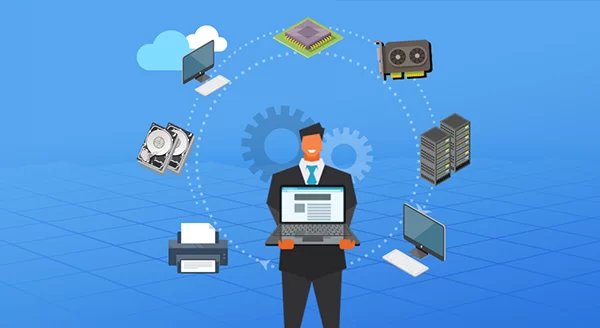
Hardware-as-a-Service changes how businesses access and manage technology. Instead of purchasing equipment upfront, companies pay a monthly fee for fully managed devices that are maintained and updated over time.
This model reflects a broader shift toward subscription-based services that prioritize flexibility and continuous improvement. Businesses no longer need to worry about equipment becoming obsolete because upgrades are built into the service.
The goal is simple: provide reliable, up-to-date technology without the stress of ownership.
HaaS vs. Traditional Hardware Purchasing
Traditional hardware purchasing often involves large upfront investments followed by years of gradual decline in performance. Eventually, everything needs to be replaced again, restarting the same costly cycle.
HaaS offers a more streamlined alternative by combining hardware, support, and lifecycle management into a single solution.
| Feature | Traditional Purchasing | Standard Leasing | Hardware-as-a-Service (HaaS) |
| Upfront Cost | High capital expense | Lower initial cost | Low, predictable monthly fee |
| Maintenance | Managed internally | Managed internally | Included and fully managed |
| Support | Paid per incident | Separate cost | Included, proactive support |
| End of Life | Replace manually | Return equipment | Seamless upgrades and replacement |
From Capital Expenses to Predictable Costs
Large IT purchases can strain budgets, especially when multiple devices need to be replaced at once. These sudden expenses make financial planning difficult.
HaaS shifts this model to a predictable monthly cost. Instead of unexpected spikes in spending, businesses can plan ahead with confidence.
This stability allows companies to allocate resources more effectively, investing in growth instead of reacting to hardware failures.
Achieving Reliable Hardware Management Without Disruption
Managing hardware efficiently requires more than just replacing devices when they fail. It involves planning, monitoring, and maintaining systems over time.
Many organizations address this by working with providers offering managed IT services in Dayton, allowing them to offload hardware lifecycle management while maintaining consistent performance across their environment.
With this approach, upgrades are no longer reactive. Devices are replaced proactively, before they impact daily operations.
Seamless Hardware Transitions
One of the biggest concerns with upgrading technology is disruption. Employees rely on their devices every day, and even small interruptions can affect productivity.
With a HaaS model, transitions are handled behind the scenes. Devices are replaced before failure, and data is securely transferred to new systems without interrupting workflows.
For employees, the experience is simple. They continue working with faster, more reliable equipment without downtime or complicated setup.
Proactive Monitoring and Support
A key benefit of HaaS is continuous monitoring. Systems are checked regularly for performance issues, potential failures, and security risks.
This proactive approach allows problems to be resolved early, often before users even notice them. Instead of reacting to outages, businesses can maintain a steady and reliable IT environment.
Access to responsive support also ensures that any issues that do arise are handled quickly and efficiently.
The Broader Business Benefits of HaaS
Beyond cost savings, HaaS provides long-term advantages that improve overall business operations.
When technology works consistently, teams can focus on their tasks without interruption. This leads to better productivity, improved customer service, and smoother day-to-day operations.
Strengthening Cybersecurity and Compliance
Outdated hardware can create serious cybersecurity risks. Older systems may not support current security updates, leaving gaps that attackers can exploit.
With HaaS, devices stay up to date with the latest software and security patches. This reduces vulnerabilities and helps maintain a stronger security posture.
For businesses in regulated industries, updated systems also make it easier to meet compliance requirements and pass audits.
Scalability for Growing Businesses
As businesses grow, their technology needs change. New employees, additional locations, or remote work setups all require flexible IT solutions.
HaaS makes scaling simple. Devices can be added or adjusted as needed without major upfront investments.
This flexibility ensures that technology keeps pace with business growth, rather than holding it back.
Conclusion
Unpredictable hardware failures and costly upgrades can disrupt even the most organized business. Relying on outdated systems often leads to more problems than savings.
Hardware-as-a-Service offers a more practical solution. By replacing reactive upgrades with proactive management and predictable costs, businesses can maintain reliable systems without constant interruptions.
With modern hardware, improved cybersecurity, and built-in scalability, HaaS provides a stable foundation for long-term growth. Instead of worrying about when equipment will fail, businesses can focus on moving forward with confidence.