A Complete Guide to Buying Vintage Pistol Parts
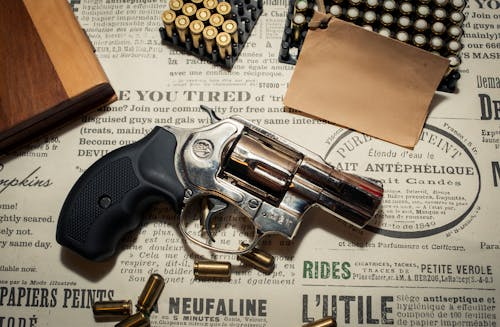
A concise technical primer outlines how to source, verify, and assess vintage pistol parts with an emphasis on authenticity, safety, and legal compliance. It covers identification markers, metallurgical and wear indicators, decision criteria for originals versus reproductions, and a rigorous inspection checklist for fit and function. Provenance and serial verification are explained alongside recommended reputable channels for acquisition, setting up the practical steps that follow.
Identifying Authentic Vintage Pistol Parts
How can one reliably distinguish authentic vintage pistol parts from reproductions or modern replacements? Examination proceeds through layered assessment: manufacture marks, metallurgy, machining patterns, and wear geometry.
Patina analysis quantifies oxidation depth, micro-abrasions, and coloration gradients consistent with period storage and use. Rarity factors influence provenance expectations and acceptable condition ranges; scarce variants demand stricter corroboration.
Serial alignment, toolmarks under magnification, and heat treatment signatures are compared to reference databases. Non-destructive testing XRF elemental readings, hardness mapping confirms period-appropriate alloys. Documentation, chain of custody, and comparative microscopy complete a rigorous identification protocol that minimizes misattribution.
Vintage Pistol Parts: Originals vs Reproductions Decision Guide
Building on methods for authenticating vintage pistol components, the decision guide frames a practical workflow for choosing between original parts and reproductions by weighing functional fitment, collector value, and safety implications. The guideline recommends prioritizing original parts when provenance, matching serials, or resale premium matter; originals preserve historical integrity but may require remediation.
Conversely, assess reproduction quality against dimensional tolerances, metallurgy, and finish compatibility when restoring functionality or replacing unsafe originals. Cost-benefit matrices, sourcing reliability, and documented testing inform choices. Final selection balances intended use display versus service against verified safety data and market value projections.
Inspecting Parts: Wear, Fit & Safety Checklist
A methodical inspection protocol establishes the baseline for evaluating vintage pistol components for wear, fit, and safety before any restoration or installation. The inspector documents material loss, fatigue cracks, corrosion pitting, and dimensional deviations against factory tolerances using calipers, micrometers, and magnification.
Functional interfaces locking lugs, slides, pins, and springs are checked for wear patterns and secure engagement. Safety systems receive priority: sear geometry, hammer fall, and disconnector timing are measured and bench-tested dry.
Maintenance tips include controlled cleaning and lubrication to prevent damage; restoration techniques are limited to reversible metalwork and certified heat treatment. Reject parts with structural compromise.
Verify Markings & Serial Matches (Provenance for Buyers)
After completing a mechanical and safety inspection, attention shifts to markings and serial correspondence to establish provenance and legality. The examiner documents maker marks, proof stamps, caliber castings and matching serials against dated manufacturer records.
Marking significance is assessed: font, punch type, placement, and patina must align with era and factory practice. Serial number importance is evaluated for continuity across frame, slide, barrel and major components; mismatches trigger provenance queries and potential legal restrictions.
Photographic records, catalog comparisons and expert consultation mitigate fraud. Clear, verified markings reduce acquisition risk and inform restoration, resale valuation and compliance.
Where to Buy Vintage Pistol Parts: Safe, Legal Sources
Several reliable channels exist for sourcing vintage pistol parts, each with distinct legal and provenance implications. Buyers should prioritize documented chains of custody and compliance with applicable firearm laws when selecting sources such as online auctions, gun shows, antique shops, collector forums, estate sales, and specialty websites.
Online auctions and specialty websites offer searchable records and seller ratings; gun shows and estate sales allow physical inspection and provenance questioning. Antique shops and collector forums can reveal rarity and matching characteristics but require verification. Always request paperwork, verify serial correlations, confirm non-prohibited status, and consult a qualified armorer or legal advisor prior to purchase.