Beyond Reporting: How Modern Businesses Are Using Data to Predict and Plan
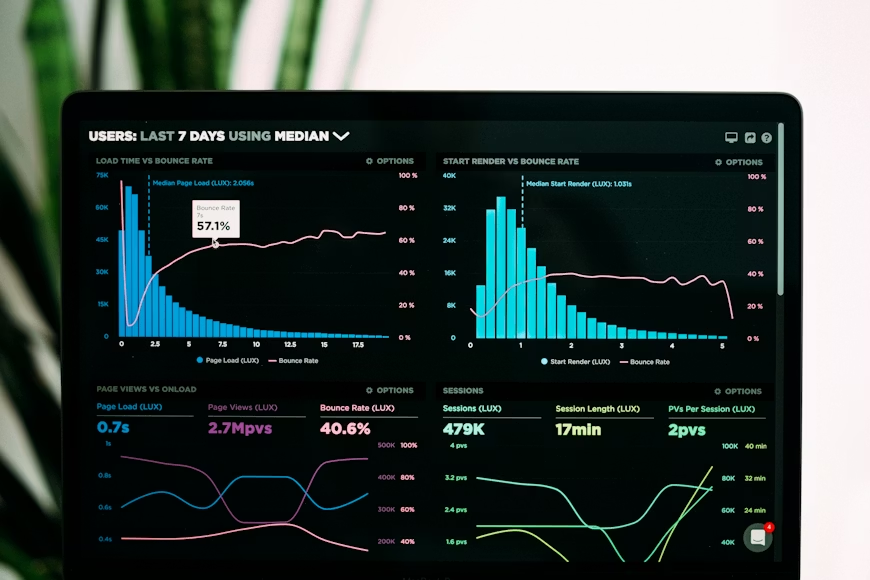
Want to stop reacting and start predicting?
The majority of businesses operate in reactionary information prisons. They generate reports based on past events, then panic trying to figure out what happened. The best news? That outdated mindset is quickly fading away.
AI business intelligence software is changing everything.
Powered by the proper tools, businesses aren’t just analyzing the past. They are forecasting the future — and preparing for it.
What’s Inside This Guide:
- The Shift From Reporting To Predicting
- What Is AI Business Intelligence Software?
- Why Businesses Are Making The Switch
- How It Works In Practice
- Industries Getting The Most Out Of It
- Choosing The Right AI BI Platform
The Shift From Reporting To Predicting
Traditional business intelligence was built around one thing: reporting.
Pull a report. Review the numbers. Make a decision. Repeat.
But here’s the problem with that approach…
When a report is ready, it’s already too late. Markets don’t stand still. Customer behaviour can change overnight. Competitor strategies don’t always come with warning. If you’re basing today’s decisions on yesterday’s data you’re always going to be playing catch-up.
This is where AI business intelligence software comes into play. AI doesn’t just report what has happened. AI predicts what is likely to happen next.
88% of organizations now use AI in at least one business function — and that number is growing. Rapidly. Companies are moving past experimenting with AI. They’re scaling it.
What Is AI Business Intelligence Software?
AI business intelligence software refers to business intelligence software products with capabilities that include both traditional data analytics as well as artificial intelligence and machine learning.
The outcome: a system that doesn’t just store and report data — it analyzes data, discovers trends and predicts future outcomes. It goes far beyond the good ol’ spreadsheet-and-dashboard method. Rather than manually searching spreadsheets for insights and eyeballing trends, with today’s AI BI you can automate the analysis.
The key features of any solid AI BI platform include:
- Predictive analytics: Forecasting future outcomes based on past trends
- Natural language queries: Ask questions in plain English and get instant answers
- Real-time dashboards: Live data that updates as things change
- Automated alerts: Get notified the moment the numbers behave unexpectedly
If your business wants to stay competitive, automated data analysis is driving it forward — without requiring tedious human hours of interpreting rows of data in Excel spreadsheets.
Why Businesses Are Making The Switch
Here’s the real question — why now?
Data volumes have grown exponentially. 10 years ago you could have a team manually analyze weekly sales reports and see all the things they needed to see. That is no longer realistic.
Customer data. Web analytics. Supply chain signals. Social media activity. It accumulates faster than any group of humans can process. That’s where AI business intelligence software steps in.
AI-enabled BI tools are projected to reach $22 billion in revenue by 2026 — and you can take that statistic to the bank when it comes to businesses implementing this technology.
And for good reason.
Businesses using these platforms are working more efficiently. They’re making quicker decisions. They’re anticipating errors before they become costly failures. That doesn’t pencil out to just a slight increase in the bottom line. Leading the market depends on it.
How It Works In Practice
It’s simpler than it sounds.
AI business intelligence software plugs into every data source the business already has access to — point of sale systems, CRMs, marketing automation software, inventory management tools — and aggregates everything into a single platform. Once everything is centralized, the magic begins. The AI layer analyzes. It spots patterns. It detects anomalies. It creates forecasts based on past information and projects those algorithms forward.
Here’s a simple breakdown of how it works:
- Data pulls in automatically from multiple connected sources
- The AI processes and cleans that data
- Patterns and trends get identified in real time
- Predictive models generate forecasts
- Dashboards and alerts surface the most important insights
No data science diploma needed. No analyst group holed up in a back room crunching reports for days. Only rapid, accurate and actionable intelligence.
The implementation of machine learning in BI dashboards increased by 48% in 2025 alone — as organisations began recognising predictive intelligence is superior to reactive reporting.
Industries Getting The Most Out Of It
AI business intelligence software isn’t a one-industry tool. It’s being put to work everywhere:
- Retail: Predicting inventory shortfalls before stock runs out
- Finance: Spotting fraud patterns before real damage is done
- Healthcare: Forecasting patient demand for smarter resource allocation
- Ecommerce: Personalising experiences based on individual buying behaviour
- Manufacturing: Identifying equipment issues before they cause costly downtime
Pretty powerful, right?
The theme is common among them all. Rather than waiting for a problem to occur and reacting once it’s too late, these companies are recognizing the alerts early enough to take action. 84% of executives believe BI and analytics are essential to their digital transformation strategy — and you don’t get that kind of support without proof.
Choosing The Right AI BI Platform
Not all AI business intelligence software is built the same.
When evaluating options, here are the most important things to look for:
- Data integration: Can it connect to all the tools already being used?
- Ease of use: Can non-technical team members navigate it day-to-day?
- Scalability: Will it grow as the business grows?
- Predictive capability: Does it go beyond dashboards into real forecasting?
- Support and onboarding: Is proper help available when things go wrong?
The goal is a platform that minimizes manual labor and surfaces the most critical insights to decision makers as quickly as possible. Companies using AI in their BI platforms say they experience 50% faster delivery of insights to business units — and that speaks volumes about selecting the proper tool.
If a platform requires a full-time data team to keep it operational, it’s likely not suitable for most companies.
That’s A Wrap On Predicting With Data
Here’s what it all comes down to.
Winning businesses today aren’t guessing. They’re leveraging AI business intelligence software to see further into the future than their competition — and planning for it. Reactive reporting to predictive planning isn’t a future trend. It’s happening now.
Data volumes will continue to grow. Velocity will continue to increase. And the competitive divide between AI BI users and non-users will continue to widen.
The technologies exist. The information is at hand. The only question is whether a company will find itself on the correct side of that divide.