How to Choose the Best Polycarbonate Sheet for Glazing and Protective Screens
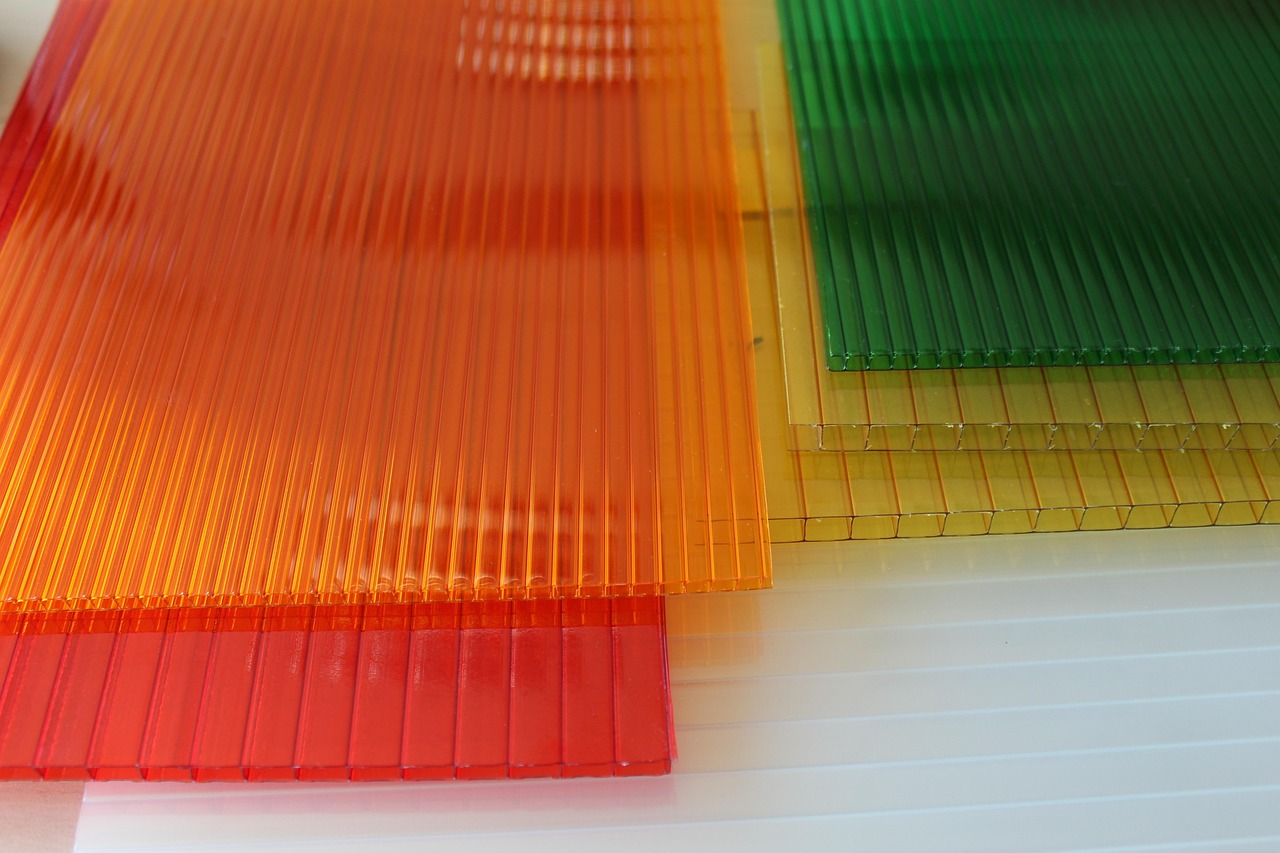
The best polycarbonate sheet depends on the panel’s purpose, impact exposure, sunlight and cleaning requirements. An indoor divider has different needs from outdoor glazing or a machinery screen. For Australian buyers, comparing grades, thickness and installation details helps avoid selecting a sheet on appearance or price alone.
Key Takeaways
- Match the sheet grade to visibility, exposure and protection requirements.
- Confirm UV protection for outdoor applications.
- Consider abrasion-resistant grades for frequent cleaning.
- Select thickness alongside panel dimensions, supports and loads.
- Check fixing details and cleaning-product compatibility before ordering.
Define What the Panel Must Do
Glazing and Visibility
Solid clear polycarbonate is an option where visibility and impact resistance matter. Establish panel dimensions, support spacing and expected loads before selecting a thickness.
Where insulation is a priority, compare multiwall products. Their internal structure affects thermal performance and the view through the panel, so they are not interchangeable with clear solid sheet.
Protective Screens
Identify the hazard the screen must address. A reception divider and a machinery guard require different assessments.
General impact resistance does not establish suitability for every protective application. The complete assembly, including the frame and fixings, must meet the project’s requirements. Obtain application-specific design advice where necessary.
Match the Best Polycarbonate Sheet to Its Environment
Choosing the best polycarbonate sheet means comparing product data with actual service conditions. Plastral lists standard, UV2 and abrasion-resistant options as starting points for selection.
Outdoor Exposure and UV Protection
Check the product’s stated weathering protection, intended outdoor use and installation orientation. Protection can differ between grades and surfaces.
Follow the manufacturer’s instructions for identifying the protected side where applicable. Do not assume every clear sheet provides equivalent resistance to outdoor weathering.
Frequent Cleaning and Surface Wear
Standard polycarbonate can scratch. An abrasion-resistant grade may suit panels exposed to repeated cleaning or surface contact.
However, a hard coating does not make the sheet scratchproof. Confirm approved cleaners, cloths and cleaning methods, including compatibility with disinfectants used at the site.
Confirm Thickness and Installation Details
Choose thickness using panel size, support arrangement, design loads and the intended protective function. A thicker sheet alone cannot compensate for unsuitable framing or fixings.
Polycarbonate expands and contracts as temperatures change. Allow the clearances specified by the manufacturer, and confirm compatible gaskets, sealants and fastening methods.
Check fabrication restrictions before cutting, drilling or forming coated grades. Their processing requirements may differ from those of uncoated sheet.
Summary
Compare visibility, exposure, maintenance and installation needs before ordering. As a plastic supplier in Australia, Plastral offers materials to investigate against your specification. Share panel dimensions, support details and intended use when discussing suitable grades and total installed cost.