IMPACT OF RESTAURANT TABLE AND CHAIR ON AMBIANCE
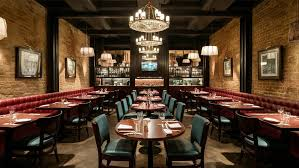
The eating experience at a restaurant is greatly influenced by its atmosphere. Even while décor, music, and lighting all play a big role in creating the mood, furniture, especially tables and chairs, is sometimes disregarded but crucial. Carefully chosen tables and chairs can transform the room, reflect the restaurant’s concept, and improve the overall patron experience. This post will discuss how restaurant furniture affects the atmosphere and why restaurateurs should prioritize it.
ESTABLISHING THEME AND STYLE
One of the first things patrons see when they enter a restaurant tables and chairs. Whether the restaurant’s motif is eclectic, modern, rustic, or antique, these components assist in creating the mood and setting the scene. For example:
Rustic Ambiance: Earthy hues and worn wooden furnishings give off a cozy, inviting vibe.
Modern Ambiance: Simple seats and sleek glass or metal tables provide a modern atmosphere.
Vintage Ambiance: Round tables and upholstered chairs with elaborate details exude style and nostalgia.
If the furniture is chosen properly, the motif will be cohesive, which will improve patrons’ views of the area and the eating experience.
COMFORT PRACTICALLY
Customer pleasure is directly correlated with comfortable sitting. Ergonomic support and suitable chair padding encourage customers to unwind and savor their food. On the other hand, hurried dining might result from uncomfortable furniture, which detracts from the atmosphere.
Additionally, tables and chairs must be useful:
Table spacing: Tables should be sufficiently apart to guarantee privacy without giving the impression that the restaurant is small.
Size: There should be enough room for dishes and drinks without being crowded.
Height: To promote ergonomic meals and prevent uncomfortable postures, chairs and tables should line up.
When the furniture is designed with comfort and functionality in mind, customers can concentrate on the food and company in a peaceful setting.
MATERIALS AND TEXTURE
The materials and textures of the tables and chairs enhance the physical and visual experience of the room. The following describes how various materials impact ambiance:
Wood: Provides warmth and adaptability, making it appropriate for upscale restaurants and little cafés.
Depending on the design, metal may provide modern refinement or industrial charm.
Plastic or acrylic: These lightweight, vividly colored materials are perfect for informal dining establishments.
Upholstered furniture adds softness and richness, which is ideal for lounges or elegant dining.
Different materials like metal chairs and hardwood tables may provide visual appeal and a lively atmosphere.
COLOUR PSYCHOLOGY
Colors arouse feelings and might affect how patrons view a dining establishment. Chairs and tables are important components of this dynamic:
Bright colors are frequently utilized in fast-food or informal eating situations because they pique interest and create a dynamic ambiance.
Neutral Tones: Ideal for fine dining establishments, these tones encourage calm and concentration on the meal.
Dark hues are ideal for formal or romantic situations because they provide refinement and tenderness.
For optimum effect, the furniture’s colour should complement the restaurant’s overall design scheme and branding.
FLEXIBILITY AND FUNCTIONALITY
Families and lone diners are among the many distinct groups that modern restaurants frequently serve. Flexible furniture options can satisfy a range of purposes and improve the atmosphere. For instance:
Various group sizes may be accommodated by rearranging the modular tables and chairs.
In smaller eateries, seats that can be folded or stacked make the most of the available space.
Booths or banquettes are comfortable settings for gatherings of family members or friends.
The atmosphere seems kind and welcoming when the furniture easily adjusts to the demands of the patrons.
SOUND AND ACOUSTICS
Unexpectedly, chairs and tables may affect a room’s acoustics. Sound is absorbed by cloth and wood, which lessens echo and makes the space calmer and cozier. However, furniture made of glass or metal reflects sound, which might create a bright yet loud atmosphere. Restaurant owners can choose furniture materials that support the acoustic objectives of their area based on the mood they want to create.