Infrastructure Requirements for Solar Energy in Urban Planning
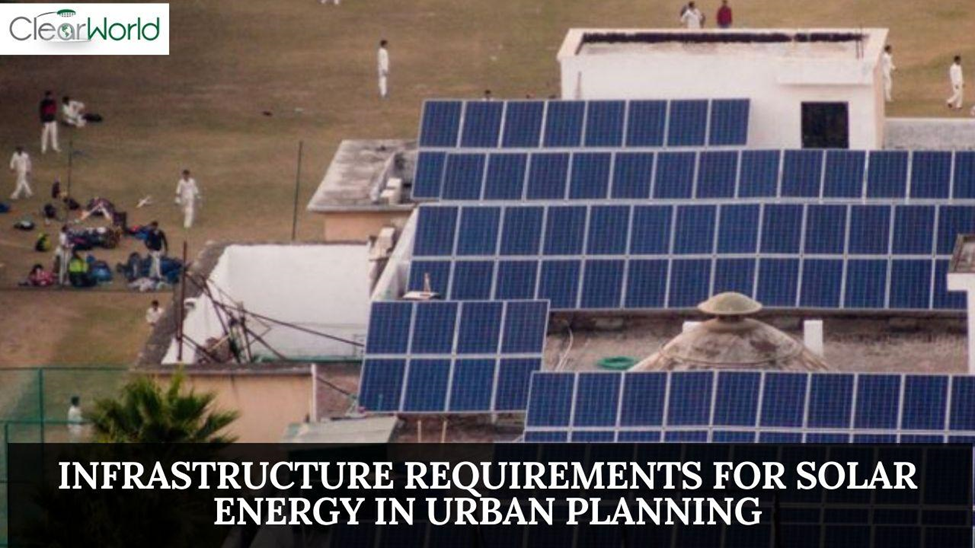
The cities in Texas, as well as the United States, are preparing for resilience and sustainability in terms of growth simultaneously. The community growth and operation are now determined by energy infrastructure. Infrastructure Requirements for Solar Energy are becoming a core part of this planning process. ClearWorld supports this shift by aligning solar infrastructure with real-world site conditions, safety needs, and long term reliability. Careful infrastructure planning assists cities in expanding in a responsible manner and in being prepared for climate and energy problems.
How do Infrastructure Requirements for Solar Energy Influence Long-Term Urban Development Planning?
1. Shaping land use decisions
The solar infrastructure has impacts on the allocation of land. Energy systems should be accommodated in rooftops, roads, and open spaces. Planning at an early stage would make sure that solar assets would not impair urban planning in terms of housing, transportation, and green space construction.
2. Reducing dependence on centralized grids
Energy independence is now taken into account in urban planning. Solar infrastructure reduces pressure on centralized grids. This enables the cities to expand without straining available power systems and reduces the chances of the occurrence of extensive blackouts.
3. Supporting resilient public infrastructure
Lighting, transit, and safety systems are based on solar energy infrastructure. When scheduled early, such systems do not go out of operation in cases of emergencies. Strong infrastructure enhances trust in the growth and long-term investment in urban areas.
4. Influencing building and zoning codes
Solar preparedness influences the orientation and height of buildings. Zoning updates are based on infrastructure requirements. This congruency assists cities in escaping retrofits and makes the project approvals easier.
5. Encouraging mixed-use development
The solar infrastructure is efficient in the mixed use regions. The sharing of energy resources is utilized in order to serve residential, commercial, and community spaces. This flexibility will foster good land utilization and even equal development of neighborhoods.
6. Improving budget predictability
The solar infrastructure lowers the long-term energy expenses. Planners have the opportunity of estimating operating costs more precisely. Stable budgets facilitate long-term development plans.
7. Enhancing transportation and mobility planning
The use of solar-powered lighting and systems facilitates safe walkways and roads. The infrastructure planning incorporates energy and mobility requirements. This will enhance safety and active transport systems.
8. Strengthening sustainability commitments
Cities make investments in emissions. These goals can be realized with the help of solar infrastructure. Planning based on clean energy creates confidence in the residents and investors.
What Infrastructure Requirements for Solar Energy are Most Critical in Extreme Climate Regions?
1. Structural strength and wind resistance
In Texas, there exist storms and high winds. Solar infrastructure should resist these forces. The strengthening of the structures and solid foundations will not cause damage or disruption of services.
2. Heat tolerance and material durability
Intense heat influences equipment performance. The infrastructure should work with materials that do not degrade under heat. Durable systems are efficient in case of long, hot seasons.
3. Flood and drainage considerations
In most areas, flooding is a common occurrence. The solar infrastructure should be elevated or protected. Drainage planning also avoids water damage and increases the lifespan of the system.
4. Reliable energy storage capacity
Outages are usually caused by extreme weather. The battery storage must be adequate. The infrastructure should be able to sustain the energy supply in the event of a long-term grid outage.
5. Corrosion resistance in coastal areas
Coastal Texas faces salt exposure. Infrastructure should be corrosion-resistant. Proper finishes and materials minimize the maintenance and risk of failures.
6. Maintenance access and monitoring
Poor weather conditions demand frequent checking. The infrastructure design should be allowed to enable safe access to it for maintenance. The rapid reaction to weather-related problems is encouraged by easy monitoring.
Conclusion
Infrastructure Requirements for Solar Energy shape how cities grow, prepare, and protect their communities. These requirements are practical tools and not hindrances with the guidance and planning assistance provided by ClearWorld. When geared to Texas climate realities and city objectives, solar infrastructure will contribute to resilient development, sustainable growth, and reliable public services in the future.