Reasons a Cosmetic Dentist London May Recommend Hygiene Care First
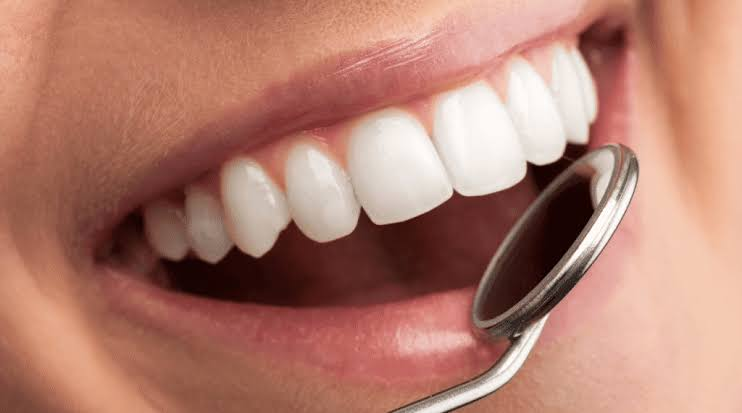
It can surprise patients when a cosmetic dentist London recommends hygiene care before whitening, bonding, veneers, or other visible treatments. To some, it may sound like a delay. In reality, hygiene care can be one of the most important first steps in planning a result that looks clean, fresh, and maintainable.
Professional cleaning and gum assessment can reveal what the teeth truly look like beneath stain and plaque. They can also show whether gums are inflamed, whether home care needs support, and whether cosmetic work would be easier to plan once the mouth is healthier.
In many cosmetic appointments, a cosmetic dentist should recommend hygiene care first because it changes the information available for planning, according to Dr. Sahil Patel of MaryleboneSmileClinic. Once stain is removed and the gums are calmer, the dentist can judge shade, tooth shape, gum line, and restoration margins more accurately. This step can also help the patient see whether a simpler route answers the concern before committing to a larger cosmetic treatment.
Starting with hygiene does not make the plan less aesthetic. It makes the aesthetic decision more accurate, because colour, gum shape, tooth margins, and maintenance all depend on the health of the tissues around the teeth.
Cleaning Reveals the True Tooth Shade
There is a practical side to true shade assessment that matters in London dental care. Many patients are planning around work, travel, family life, social events, or a limited number of appointments, and surface stain can make teeth look darker, flatter, or more uneven than they are. When those realities are included, the plan can be realistic without becoming rushed or casual.
Patients should be encouraged to ask how this detail affects the treatment plan. In relation to this topic, professional cleaning may remove external stain and give a clearer starting point for whitening or shade matching. The answer may support the original idea, but it may also suggest that the first step should be stabilisation, review, cleaning, alignment, or a smaller cosmetic intervention.
The same reasoning applies to long-term care. A treatment choice should be judged not only by how it looks when finished, but by how it is cleaned, reviewed, protected, and adjusted over time. When aftercare is considered early, the patient is less likely to be surprised by maintenance later.
A good consultation should leave the patient with language for the decision. In this area, ask whether cleaning should happen before shade decisions are made. That language matters because it helps the patient recognise the difference between a cosmetic preference and a clinical recommendation. One caution is that choosing a shade before stain removal can make the plan less accurate.
This also helps the patient avoid comparing their smile too closely with another person’s result. Enamel, gum levels, tooth position, bite, old dentistry, and facial movement all vary. A plan that looks right for one person may be unsuitable for another, even if the headline treatment is the same.
The goal is a decision that still makes sense after the first excitement has passed. Cosmetic dentistry can be confidence-building, but it should also be understandable, maintainable, and connected to the patient’s wider oral health.
Gum Health Changes the Look of Teeth
Gum appearance is easy to overlook because patients usually arrive with a visible concern first. The clinical reason it matters is that inflamed gums can make teeth look shorter, uneven, or less clean around the margins. When that part of the mouth is understood before treatment names are discussed, the appointment becomes calmer and more useful. The patient can see how the recommendation is connected to health, comfort, appearance, and long-term care rather than a single photograph or promise.
This part of planning is also useful because it keeps maintenance visible from the beginning. If bleeding, swelling, recession, and plaque retention may influence how a smile looks and how restorations can be maintained, the patient should know how that will affect review appointments, home care, possible repairs, or future replacement. That makes the result easier to live with after the initial improvement is complete.
This is particularly useful when several treatments could all sound relevant. Whitening, bonding, veneers, crowns, aligners, hygiene care, or monitoring may each have a role, but not every option is equally suitable. The consultation should explain the order of care rather than simply naming the most visible procedure.
Patients can also ask for the reasoning behind the recommendation. In practical terms, ask whether gum health should be stabilised before cosmetic treatment. If the explanation changes the plan, that is not a failure of the consultation; it means the findings are being used properly. One caution is that cosmetic work around inflamed gums may be harder to keep healthy.
The benefit is clarity rather than complexity. When the dentist explains the clinical context, the patient can understand why one route may be simpler, why another may offer more control, and why a third may be unnecessary at the current stage. That clarity makes the final choice feel steadier.
That practical framing also makes it easier to decide what not to do yet. In many cosmetic cases, avoiding an unnecessary step is just as valuable as choosing the right one. The patient can then move forward with a plan that feels considered rather than inflated.
Hygiene Helps Assess Existing Dental Work
A good consultation gives proper space to existing dental work after cleaning. In practice, old fillings, crowns, veneers, or bonding may look different once stain and plaque are removed. That turns the conversation from a quick cosmetic choice into a measured plan. It also helps the patient understand why a smaller step may sometimes be more appropriate than a larger one, or why a staged route may create a better foundation for the visible result.
The assessment behind this point should be specific. In many appointments, cleaning can reveal margins, colour mismatch, roughness, or areas that need repair or review. Those details can influence material choice, appointment timing, whether hygiene care comes first, and what sort of maintenance will be needed. A patient does not need technical language, but they do need a clear explanation of what has been noticed.
A measured plan can still be efficient. The difference is that efficiency comes from good sequencing, not skipped assessment. If a patient has an event or a deadline, the dentist can explain what is realistic, what should not be rushed, and which steps would offer the most useful first improvement.
It is worth bringing ordinary habits into the discussion. Ask which restorations still look healthy after hygiene care. A plan that fits real routines is usually easier to maintain than one built around ideal aftercare. One caution is that judging old dental work before cleaning may lead to unnecessary assumptions.
It is also a useful safeguard against overtreatment. If a modest option can answer the main concern, the patient should understand why it may be enough. If a larger option is being discussed, the patient should understand why the extra treatment is justified by the findings and goals.
It is useful to keep the conversation tied to daily life. The result has to work during meals, speech, photographs, work, travel, and home care. When those ordinary details are included, the plan is more likely to feel natural after the appointment is over.
A Cleaner Mouth Supports Better Bonding Decisions
The value of discussing bonding and surface condition is that it gives the patient a clearer map of the decision. This is especially relevant when bonding and other cosmetic materials need appropriate surfaces and clean margins. Cosmetic dentistry is personal, but it still needs a clinical structure. The dentist’s role is to explain where the patient’s goals fit comfortably, where more assessment is needed, and where expectations may need adjusting.
This is also where photographs, scans, shade notes, x-rays where appropriate, or simple chairside demonstrations can be helpful. The dentist may need to show how plaque, stain, gum inflammation, and moisture control can all influence whether an additive treatment is sensible. Seeing the reason behind the advice helps the patient understand the difference between what is possible, what is sensible, and what may be better reviewed later.
The patient should not feel that every extra question is a warning sign. Often, these questions simply protect the quality of the decision. They help separate what the patient dislikes from what the mouth can predictably support, and they make consent more meaningful because the benefits and limits are explained together.
A good consultation should leave the patient with language for the decision. In this area, ask whether hygiene care improves the conditions for bonding or repair. That language matters because it helps the patient recognise the difference between a cosmetic preference and a clinical recommendation. One caution is that materials cannot compensate for an unhealthy or poorly maintained foundation.
The conversation should keep future care in view. Cosmetic dentistry is not finished the moment the visible work is complete; it continues through cleaning, review, polishing, protection where needed, and small adjustments over time. Thinking about that early makes the recommendation more realistic.
This is where written options can help. A patient who can compare benefits, limits, sequence, and maintenance in plain language is less likely to feel hurried. The plan becomes something they can review calmly rather than something they have to absorb in one sitting.
Patients Learn What Maintenance Will Require
Patients often feel more confident when maintenance habits is explained in ordinary language. The reason is simple: hygiene visits often reveal which areas are difficult to clean and which habits affect stain or gum health. Once that is clear, the patient can compare options with less pressure. A consultation should make the decision easier to understand, not make the patient feel that they must choose a procedure before the mouth has been properly assessed.
The detail is rarely just cosmetic. For example, the hygienist or dentist may discuss interdental cleaning, brushing technique, diet, smoking, coffee, and review intervals. That means the final recommendation may depend on health, anatomy, bite, cleaning access, and the patient’s expectations. Good planning does not make the choice more complicated for its own sake; it makes the choice more honest.
This approach also leaves room for restraint. A conservative first step can be useful when the main concern is limited, when oral health needs support, or when the patient wants time to understand the options. Restraint is not the opposite of cosmetic dentistry; it is often what keeps the result natural and maintainable.
Patients can also ask for the reasoning behind the recommendation. In practical terms, ask what home-care changes would protect a future cosmetic result. If the explanation changes the plan, that is not a failure of the consultation; it means the findings are being used properly. One caution is that a treatment may not last attractively if the maintenance routine is unrealistic.
This style of planning can still support confidence and enthusiasm. It simply makes sure that enthusiasm is paired with enough information. Patients often feel more comfortable moving ahead when they know what has been checked, what remains uncertain, and what responsibilities come with the result.
The same point applies to timing. A treatment may be appropriate but not urgent, or desirable but better after a first phase of care. Explaining timing clearly helps the patient understand that a staged plan can be a sign of care, not hesitation.
The Cosmetic Plan Becomes More Accurate
Planning after hygiene can change the order of care even when the final aim is cosmetic. That is because the dentist can make better aesthetic decisions when the mouth is clean, stable, and easier to assess. A responsible plan should be flexible enough to account for those findings. The best-looking route on paper may not be the best route for this mouth, at this time, with this patient’s habits and priorities.
A careful dentist will usually connect this issue with the wider dental history. That may include the fact that shade, gum margins, tooth proportions, old restorations, and patient priorities may all become clearer after hygiene care. This helps avoid treating one visible tooth or one visible concern as though it exists separately from the rest of the mouth. The smile has to function every day, not only look balanced in a still image.
For many people, the emotional value of a clear plan is just as important as the clinical value. Visible teeth can affect confidence, and uncertainty can make the decision feel larger than it is. A calm explanation gives the patient language for what they want and a realistic sense of what each option involves.
It is worth bringing ordinary habits into the discussion. Ask what changed in the plan after cleaning and assessment. A plan that fits real routines is usually easier to maintain than one built around ideal aftercare. One caution is that skipping hygiene may mean planning from an incomplete picture.
Handled this way, the discussion becomes more collaborative. The patient brings priorities, deadlines, preferences, and concerns; the dentist brings assessment, clinical judgement, and experience with maintenance. A useful plan is usually formed where those two perspectives meet, not where one simply replaces the other.
A careful discussion also protects the dentist-patient relationship. When expectations are realistic at the start, review appointments are more constructive later. The patient knows what was planned, what may change, and what should be monitored over time.