Telemedicine Video Platforms in 2026: Reliability, Compliance, and UX Priorities
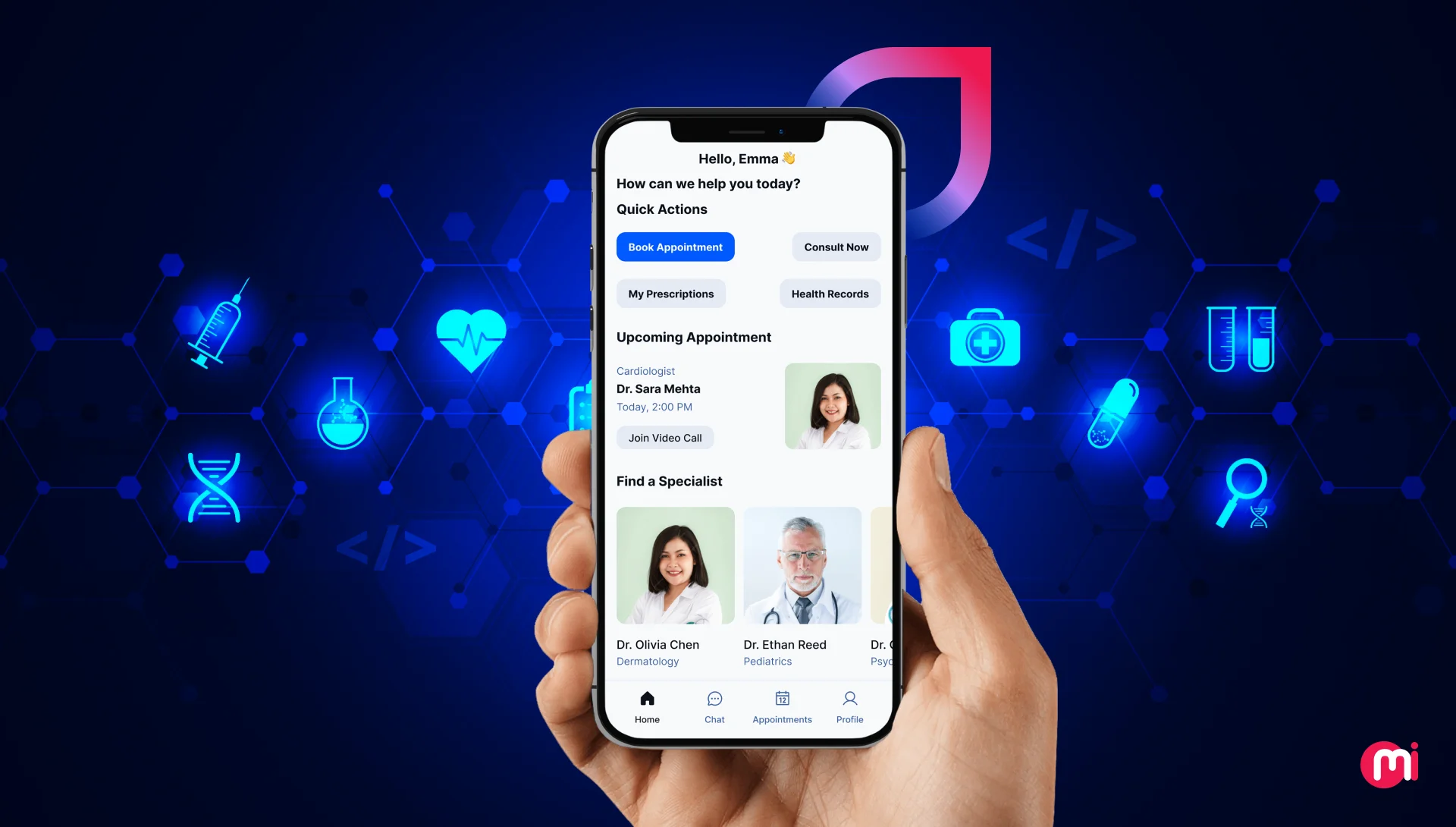
Telemedicine video platforms are no longer evaluated on novelty. By 2026, patients and clinicians expect video visits to work as reliably as a phone call, while meeting strict privacy, security, and compliance standards. When video fails in healthcare, the impact is immediate: lost trust, disrupted care, and operational risk.
This article outlines the core priorities teams should focus on when building or evolving telemedicine video platforms, with an emphasis on reliability, compliance, and user experience rather than experimental features.
Key Takeaways
- Reliability and call stability matter more than feature depth in clinical workflows.
- Compliance requirements must be embedded in system architecture, not added later.
- UX design should reduce cognitive load for both patients and clinicians.
- AI features should support care delivery, not interfere with it.
- Observability and incident handling are critical for maintaining trust at scale.
What telemedicine platforms are expected to deliver in 2026
Telemedicine adoption accelerated rapidly, and expectations rose with it. Modern platforms must support:
- consistent video quality across devices and networks
- low-friction patient onboarding
- secure handling of sensitive health data
- predictable performance during peak usage
- seamless workflows for clinicians under time pressure
Teams planning telemedicine software development should treat video as a clinical utility, not a consumer feature. Stability and clarity outweigh novelty.
Reliability comes before intelligence
In healthcare, a failed call is not a minor inconvenience. It can delay diagnosis or treatment. For that reason, video reliability must be prioritized before layering in advanced features.
Key reliability principles include:
- fast join times even on low-bandwidth connections
- graceful degradation of video quality without disconnects
- automatic reconnection that preserves session context
- isolation of optional features from core media transport
Many platforms borrow architectural patterns from live video processing systems to ensure consistent performance under variable network conditions.
Compliance as an architectural requirement
Compliance cannot be treated as a documentation exercise. It must shape how the platform is built.
Common requirements include:
- encrypted video and data in transit and at rest
- strict role-based access control
- detailed audit logging for sessions and data access
- controlled data retention policies
- secure identity verification flows
Platforms that integrate video as part of broader healthcare software development workflows typically perform better in audits because compliance considerations influence every system layer.
UX design for patients and clinicians
Telemedicine UX must account for very different user needs.
For patients:
- simple entry flows with minimal setup
- clear guidance when permissions are required
- visible indicators when audio or video is inactive
- predictable behavior when connectivity drops
For clinicians:
- fast transitions between sessions
- minimal manual configuration
- clear session status and alerts
- reliable access to contextual patient information
Good UX reduces support burden and increases appointment completion rates.
The role of AI in telemedicine video platforms
AI can add value in telemedicine when applied carefully.
Examples include:
- post-visit summaries generated from call metadata
- engagement indicators to flag disconnected patients
- background quality monitoring to detect call issues early
However, AI features should never compromise call stability. Teams often integrate these capabilities through structured AI Integration approaches to ensure they remain optional and non-blocking.
When AI processing is included, it should degrade or disable itself before impacting video quality.
Observability and incident response
Healthcare platforms require strong operational visibility.
Key metrics to monitor include:
- join success rates
- call drop frequency
- average and tail latency
- reconnection success
- regional performance variations
Equally important is incident response. When issues occur, support teams must be able to:
- identify affected sessions quickly
- communicate clearly with users
- apply mitigations without disrupting ongoing care
This operational maturity is often underestimated during early development.
Common mistakes in telemedicine video platforms
- prioritising feature breadth over call stability
- retrofitting compliance controls late in development
- overloading clinicians with unnecessary interface elements
- enabling AI features without clear clinical benefit
- lacking real-time visibility into call health
These mistakes often lead to low adoption despite technically advanced systems.
read more : Why Energy Efficiency is the New Standard for Property Value
Measuring success beyond usage metrics
Successful telemedicine platforms measure:
- appointment completion rates
- clinician time saved per session
- patient satisfaction scores
- support ticket volume related to video issues
- system uptime during peak hours
These metrics reflect real-world performance, not just feature availability.
Conclusion
Telemedicine video platforms in 2026 succeed by being dependable, compliant, and easy to use. Reliability is the foundation, compliance is the constraint, and UX is the differentiator. AI can enhance care delivery, but only when it operates quietly in the background.
Teams that treat telemedicine video as critical healthcare infrastructure, rather than a generic streaming problem, build platforms that clinicians trust and patients return to.