How the Right Brake Hardware Kit and Quality Brake Lining Material Work Together for Safer Braking
Vehicle safety depends on many interconnected components working in harmony, and the braking system is among the most critical. While most drivers focus on brake pads or shoes, two often-overlooked elements—brake hardware and brake lining—play a decisive role in ensuring smooth, reliable, and safe stopping. When these two work together effectively, they significantly enhance braking performance, durability, and overall road safety.
At the heart of drum braking systems lies the brake lining material, which provides the friction needed to slow and stop the vehicle. This material must withstand extreme heat, pressure, and repeated use without losing effectiveness. High-quality linings are engineered to deliver consistent friction, reduce wear, and prevent brake fade even under heavy loads or steep descents. Poor-quality linings, in contrast, can overheat, crack, or wear unevenly—leading to longer stopping distances and compromised safety.
Equally important is the brake hardware kit, which includes springs, retainers, pins, adjusters, and clips that keep brake shoes properly aligned and functioning. These components ensure that brake shoes move smoothly, return to position after braking, and make even contact with the drum. Without reliable hardware, even the best brake lining material cannot perform optimally.
The relationship between lining and hardware is a perfect example of system-level safety. Quality lining generates friction, while quality hardware ensures that friction is applied evenly and consistently. Together, they minimize vibration, reduce noise, and prevent uneven wear patterns that can damage both the lining and the brake drum.
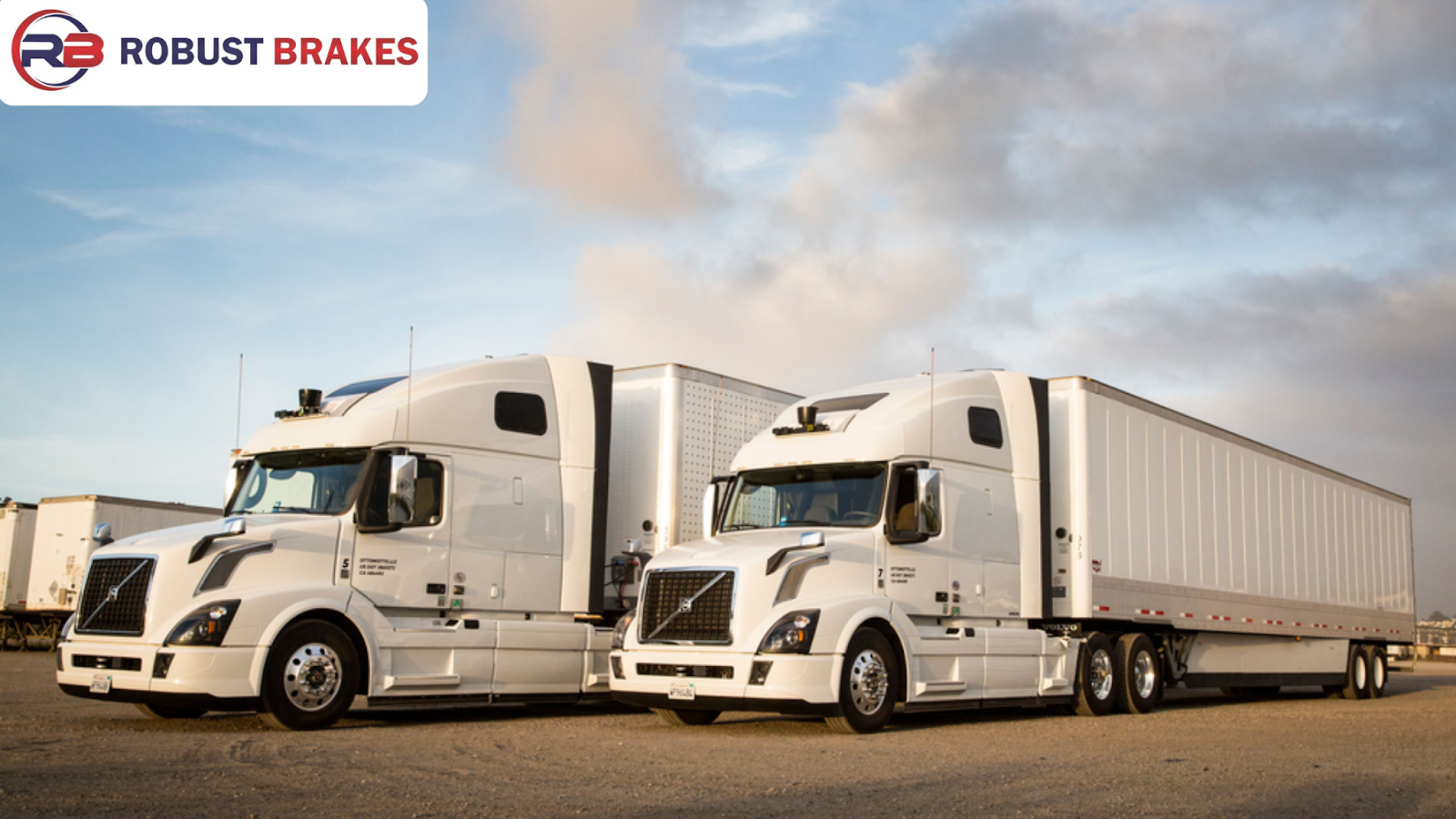
Temperature management is another area where this partnership matters. During braking, heat builds up rapidly. Premium brake lining materials are designed to tolerate high temperatures, while a well-designed hardware brake kit allows proper movement and ventilation, reducing the risk of overheating. This combination is especially critical for trucks, buses, and commercial vehicles that experience frequent braking under heavy loads.
Choosing reliable brake lining material suppliers is therefore essential for manufacturers, fleet operators, and workshop owners. Trusted suppliers provide materials that meet safety standards, offer durability, and maintain consistent performance across different driving conditions. When paired with a dependable hardware kit, these materials help extend the life of the entire braking system and lower long-term maintenance costs.
Another key benefit of this synergy is improved vehicle control. Smooth, predictable braking allows drivers to respond confidently in emergency situations, reducing the risk of skidding or loss of control. This is particularly important in wet or slippery conditions where brake reliability can mean the difference between safety and an accident.
In conclusion, safer braking is not the result of one component alone—it comes from the collaboration between high-quality brake lining and well-engineered hardware. Investing in both ensures better stopping power, longer component life, reduced noise, and enhanced driver confidence. For anyone responsible for vehicle maintenance or manufacturing, prioritizing these two elements is a smart and responsible choice.