Multi-Currency Cards vs Standard Credit Cards
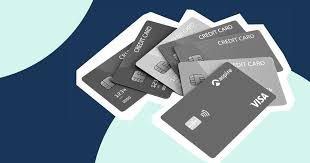
Many travellers want to avoid carrying their wallets when planning a trip abroad or shopping across borders. There is a risk of theft or misplacement when using cash in a foreign country. Moreover, it is a hassle to exchange currency before the trip. Cards have made it easy to make international deals at any time.
But, should you choose a multi-currency card or a standard credit card for your overseas deal? At first glance, both these cards promise global acceptance and convenience. However, it is essential to understand the main differences between these cards.
What is a Multi-Currency (Forex Card) Card?
A multi-currency card refers to a prepaid card loaded with foreign currencies before your foreign trip. It is a widely accepted card for online merchants and retail outlets abroad. Thus, for your cross-border, you can use this card easily. There are several advantages of using the Forex card for international deals:
- Better exchange rates – Lock in the exchange rate when you load funds. You will have no concerns about the currency rate fluctuations.
- Minimal transaction charge – Unlike credit cards, multi-currency cards charge a very low or no international transaction fee.
- Security – Chip-and-pin technology used for Forex cards ensures stronger security.
- Budget-friendly – The pre-set budget makes your international trip cost-effective.
- Multi-currency compatibility – The card is compatible with different currencies, allowing you to buy items in various countries.
- Easily reloadable – Reload the card online when you need more funds.
Frequent travellers may apply for a travel card from ING to streamline their cross-border transactions.
What is a Standard Credit Card?
A credit card is a financial tool that lets you borrow funds for a deal up to the pre-approved limit. You may use it for both international and domestic transactions. But, when used overseas, the bill will be in your home currency. Thus, you have to pay a foreign currency conversion fee for your international transaction.
Explore the positive sides of a credit card in Australia:
- Universally acceptable on online platforms and merchants across the globe.
- No hassle of preloading or currency planning
- Several travel rewards and cashback offers for international transactions
- Come with fraud liability protection to prevent unauthorised transactions.
Credit Cards Versus Multi-Currency Cards – A Detailed Comparison
Let us analyse how Forex cards differ from normal credit cards:
Exchange rates
Forex card users gain the benefits of locked-in exchange rates during fluctuations. But, credit card users have to pay the charge based on the current rate.
Fees
The foreign transaction fees for a credit card are higher when compared to the Forex card.
Usability
Multi-currency cards are perfect only for international shopping, hotel bookings, and dining. In contrast, credit cards are a versatile tool for international and domestic use.
Choose Wisely
The choice between a standard credit card and a Forex card depends on your needs. Determine your travel style before applying for the card. For transparency and cost control, choose the multi-currency card. However, those who prefer flexibility should go for a credit card. Compare every detail of the cards to make the right financial decision.