What Smart Logistics Companies Look for Before Investing in New Equipment
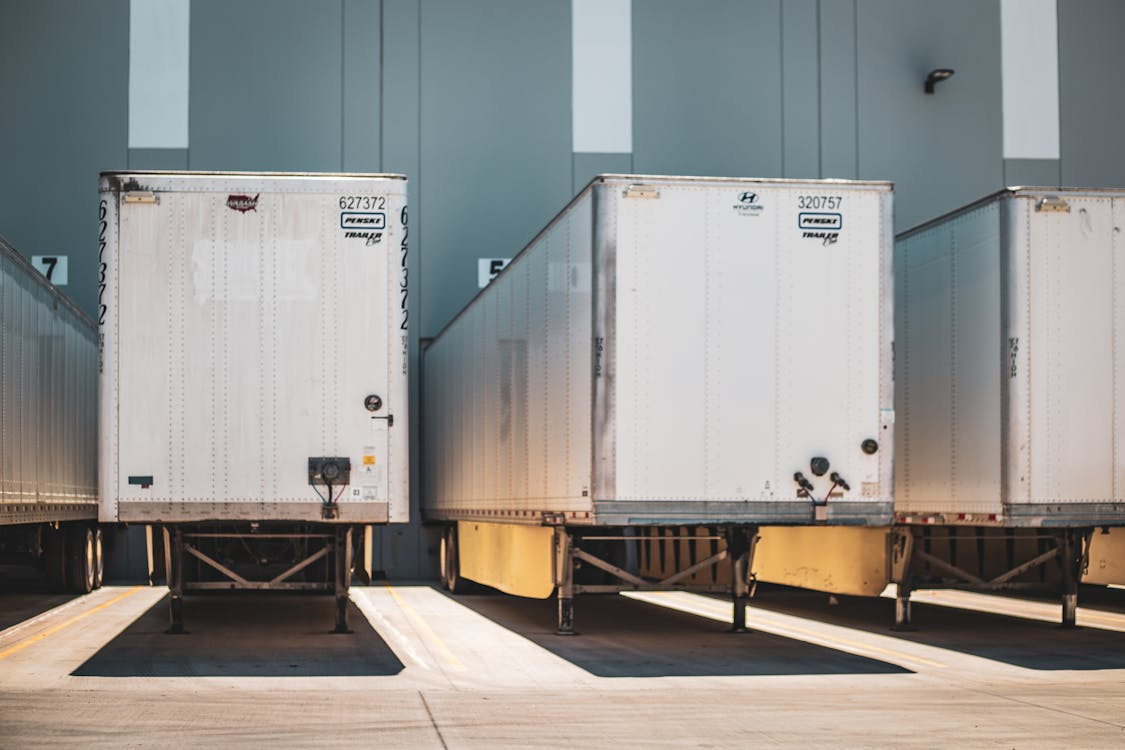
Buying new commercial vehicle trailers is a big decision.
Do it right and you’ll improve your fleet performance, save money and keep drivers satisfied for years to come. Do it wrong and you’ll be left with trailers that fail and sap your budget month after month.
Here’s the problem:
The buying process in most logistics companies is rushed. They choose the lowest price or the flashiest brand, with little concern for what they actually need.
In this article you’ll see the exact checks that smart logistics companies perform before spending a penny on any new equipment.
Let’s jump in…
Here’s what’s inside:
- Why Equipment Investment Matters Now
- The 6 Things Smart Companies Check First
- How To Avoid Costly Buying Mistakes
Why Equipment Investment Matters Now
The commercial vehicle trailers market is growing fast.
The semi-trailer market is expected to increase from USD 24.2 billion to USD 34.8 billion during 2025-2030, so more logistics companies than ever before will have money to spend on new equipment. However, more money doesn’t always mean more wisely spent.
Each and every trailer you purchase is a long-term investment that will either contribute to or detract from your profit picture for the next 7-15 years. A poor decision can cost you thousands of dollars over a decade or more.
Businesses that do this well tend to partner with seasoned manufacturers such as Dennison Commercial Trailers as their commercial vehicle trailers are engineered to withstand a long service life in challenging logistics conditions. The right supplier is the key between equipment you can trust and ongoing frustrations.
Smart operators know one thing… The cheapest trailer is almost never the best value. You have to consider:
- Total cost of ownership (TCO)
- Resale value
- Downtime risk
- Maintenance support
Skip these and you’ll regret it.
The 6 Things Smart Companies Check First
All the big logistics companies go through the same list when they shop. They don’t cut corners. They don’t get brand emotional. They just look at the numbers and make a decision.
Here are the 6 things they check every single time.
Total Cost Of Ownership (TCO)
This is the most important check of all.
TCO is the comprehensive cost of owning a trailer, beyond the sticker price. Research conducted by Ryder has indicated that fleet managers significantly underestimate their actual total cost of ownership (TCO), sometimes by as much as 38%*. That’s a lot of money down the drain without even realizing it.
*Based on a survey of 503 non-commercial, non-governmental fleet decision-makers in North America.
To calculate TCO, add up:
- Purchase price — the upfront cost of the trailer.
- Maintenance costs — these rise steeply as the trailer ages.
- Fuel efficiency — heavier trailers burn more fuel per mile.
- Downtime costs — lost revenue when off the road.
- Depreciation — how much value it loses over time.
Smart companies run this math before they buy. Not after.
Build Quality & Materials
Here’s something most buyers miss…
Two trailers that look exactly the same can vary in build quality enormously. Gauge of metal, welding, suspension – these all contribute to the life of the trailer. Poor materials = more repairs. More repairs = more downtime.
Smart companies inspect trailers in person before buying. They check:
- Chassis construction
- Welds and joints
- Corrosion protection
- Axle and brake quality
The rule is simple: The more durable a trailer you buy, the more it costs up front, but the less it will cost you each year you own it.
Maintenance & Parts Support
This one is underrated but huge.
How quickly can you get your trailer repaired when it breaks down? When purchasing from a manufacturer with sub-standard parts availability, you’ll spend weeks waiting for parts while your trailer sits idle. That’s a day’s revenue gone for every day it sits!
Smart companies always check:
- Parts availability — can you get parts quickly when needed?
- Service network — how close is the nearest service centre?
- Warranty terms — what’s covered and for how long?
A trailer from a well backed brand is worth more than a cheap brand with no support. Always.
Residual Value & Depreciation
Think about the end before you buy.
All trailers will be sold or traded someday. Wise companies research resale value before they buy, because a trailer that resells for a lot of its value is saving you big bucks in the long run.
Some brands retain 60-70% of value for 5 years. Some brands fall to 30%. That’s a huge difference when you’re managing a fleet of 20+ trailers.
To check residual value, look at:
- The brand’s reputation in the used market
- Past auction prices for similar models
- How common the model is (common = easier to resell)
Fit For Purpose
This one sounds obvious but gets missed all the time.
You have to pair the trailer to the job. A reefer for cold chain logistics. A curtainsider for general freight. A flatbed for heavy machinery. Purchasing the wrong type is the costliest error you can make.
Consider:
- What cargo will you carry?
- What routes will the trailer cover?
- What’s the expected payload weight?
Get these questions right before you look at any brochures.
Technology & Telematics
Modern trailers are getting smart.
Battery-electric tractors are already 35% of global zero-emission truck sales, and trailer technology is developing at an equally rapid pace. Many smart logistics companies now consider it a given that new trailers will come with telematics capabilities that offer real-time performance monitoring.
Key tech features to look for:
- GPS tracking
- Tyre pressure monitoring
- Load sensors
- Electronic braking systems
The right tech pays for itself by cutting fuel waste and reducing breakdowns.
How To Avoid Costly Buying Mistakes
Now you know what to look for. But how do you steer clear of the pitfalls that snag the less savvy buyers?
Here are the biggest mistakes logistics companies make:
Mistake #1 — Buying on price alone. The cheapest trailer is almost never the best value. Always calculate TCO first.
Mistake #2 — Skipping the reference check. Ask the manufacturer for 3 existing customers. Call them. Ask how the trailers perform after 2-3 years.
Mistake #3 — Not reading the warranty fine print. Some warranties are great, but they have exclusions that don’t cover typical failure points. Read every word.
Mistake #4 — Failing to test before buying. Lease or rent a unit if at all possible, before placing a full order.
Avoid these and you’ll be ahead of 90% of logistics operators.
Final Thoughts
Buying new commercial vehicle trailers is an investment in the long-term growth of your logistics operation.
Smart businesses take their time. They verify total cost of ownership, assess build quality, consider residual value and align the trailer with the job before they sign on the dotted line.
To quickly recap what to check:
- Total cost of ownership
- Build quality and materials
- Maintenance and parts support
- Residual value and depreciation
- Fit for purpose
- Technology and telematics
Follow this list and you’ll make smart, profitable equipment decisions every time.
The choice is yours.